Music video ideas for your song
Music video ideas that fit the song, not a trend: performance, story, one take, live, dance and more, each with what it suits and how to keep it cheap.
Updated
The best music video idea is the one your song already has. Before you think about locations or effects, find the one line you'd put on a poster and the feeling of the chorus. Then pick a kind of video that carries that, and say no to the rest.
Here are the kinds of music video Kinetune's AI music video maker films, each with what it's good for. The list on this page comes from the live catalog, so it's always the current one.
The kinds, at a glance
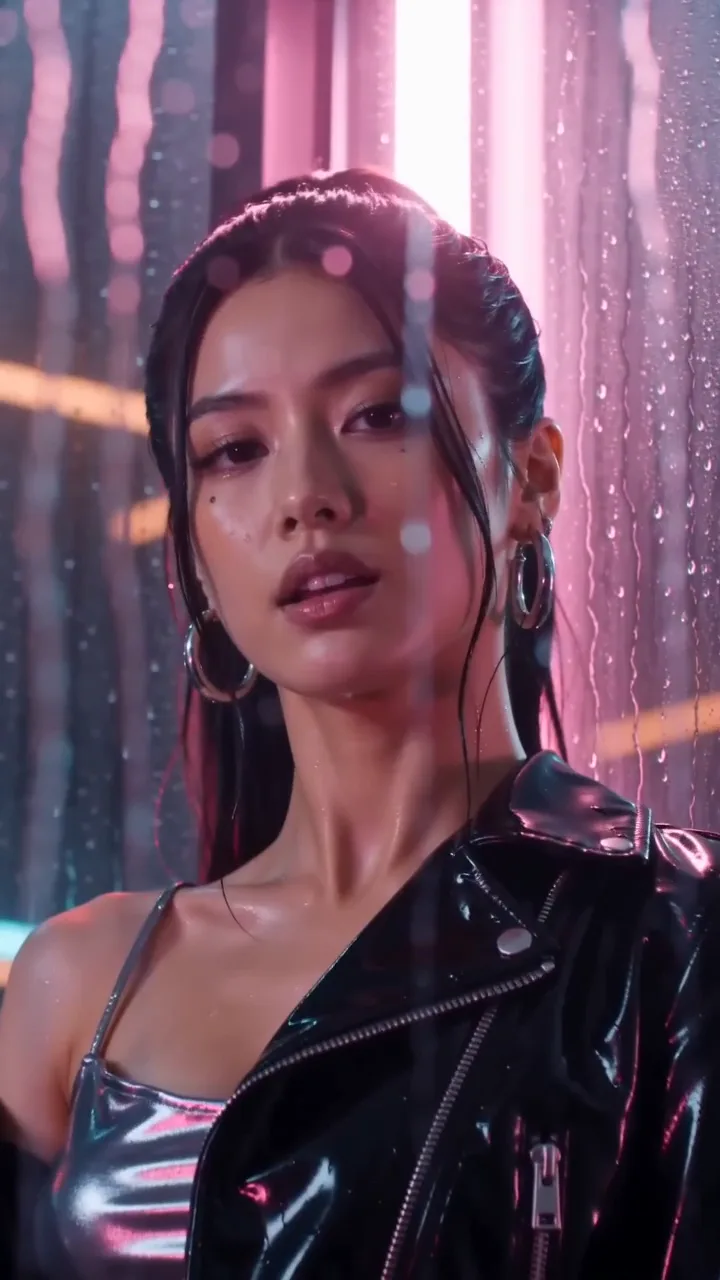
Performance
The performer sings to camera in one place that suits the song.
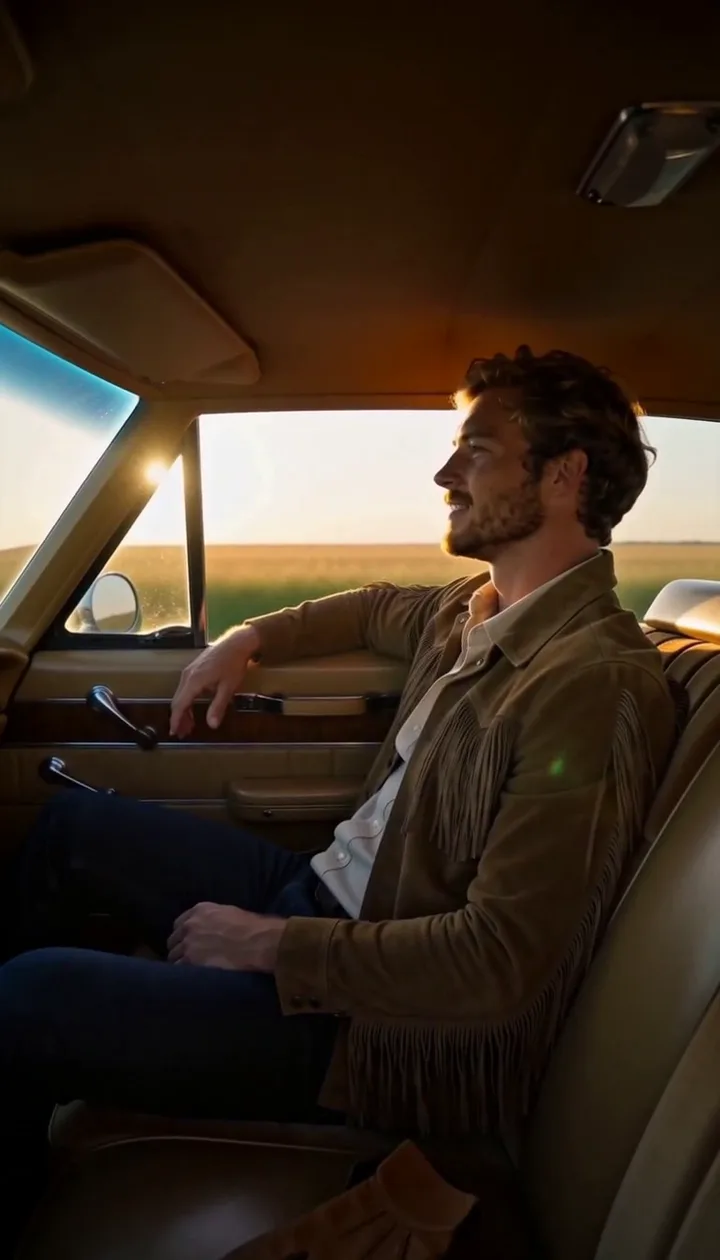
Performance & story
The performer sings to camera, cut against them living the song’s story.
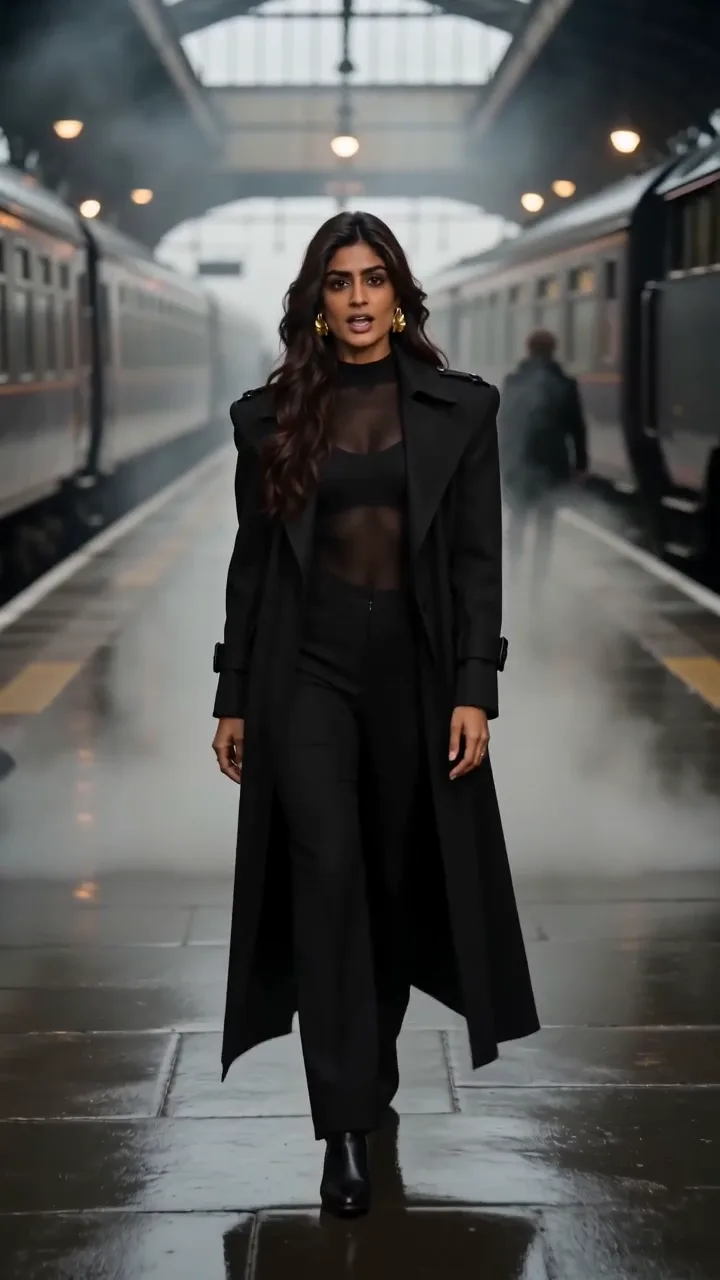
Cinematic
A performance on the move: long travelling takes through one place, singing to the lens.
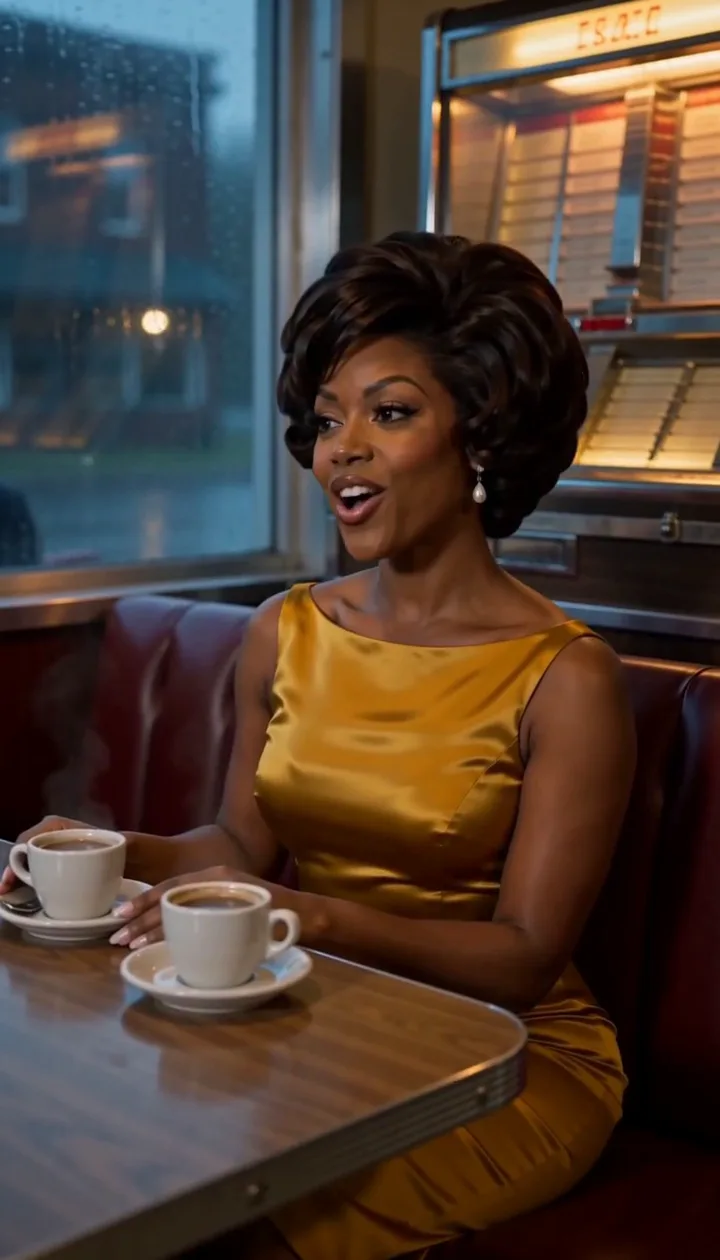
Story
The performer lives the song’s story, singing its lines inside it, never on a separate stage.
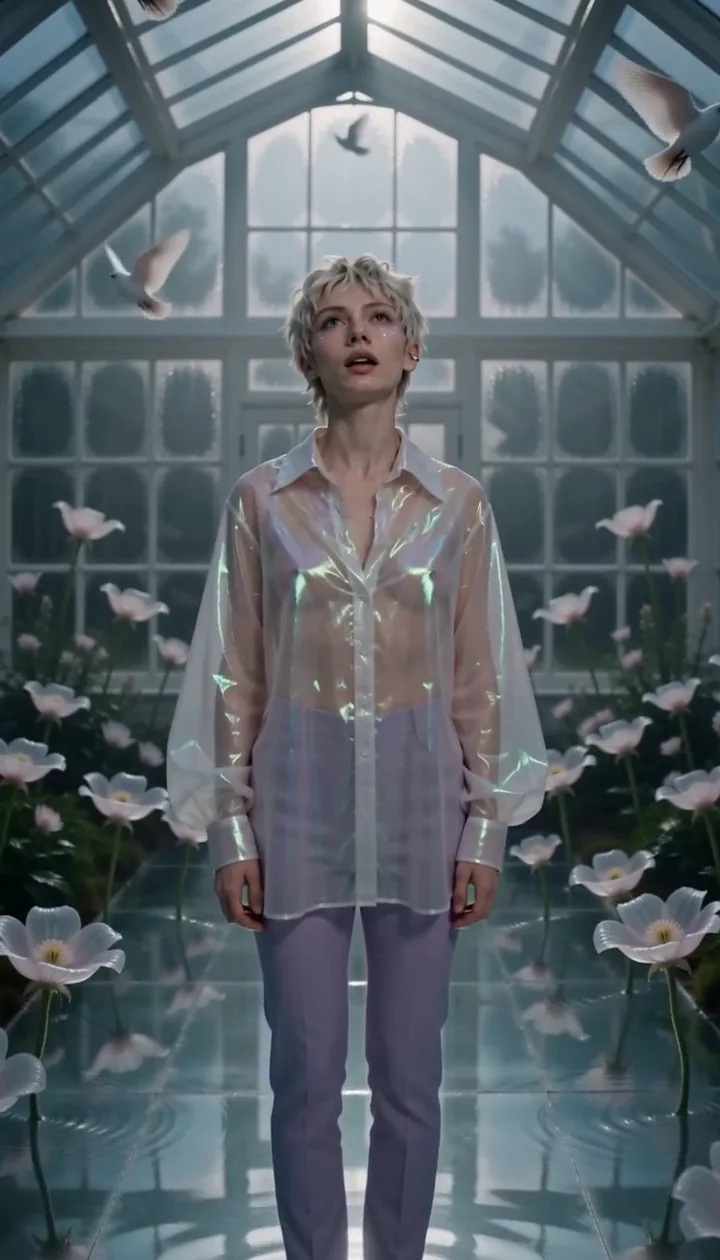
Surreal
Impossible things happen in ordinary places while the performer keeps singing.
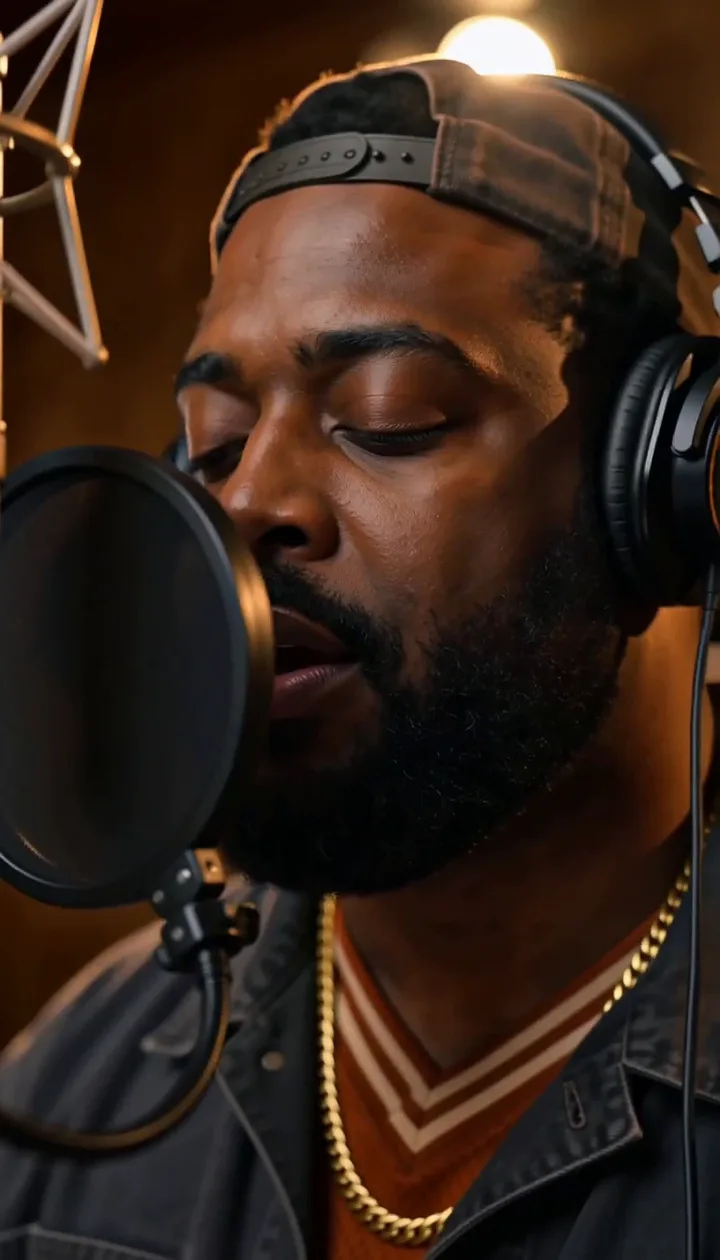
Studio session
A live take in a recording room: the performer at the mic, the band around them.
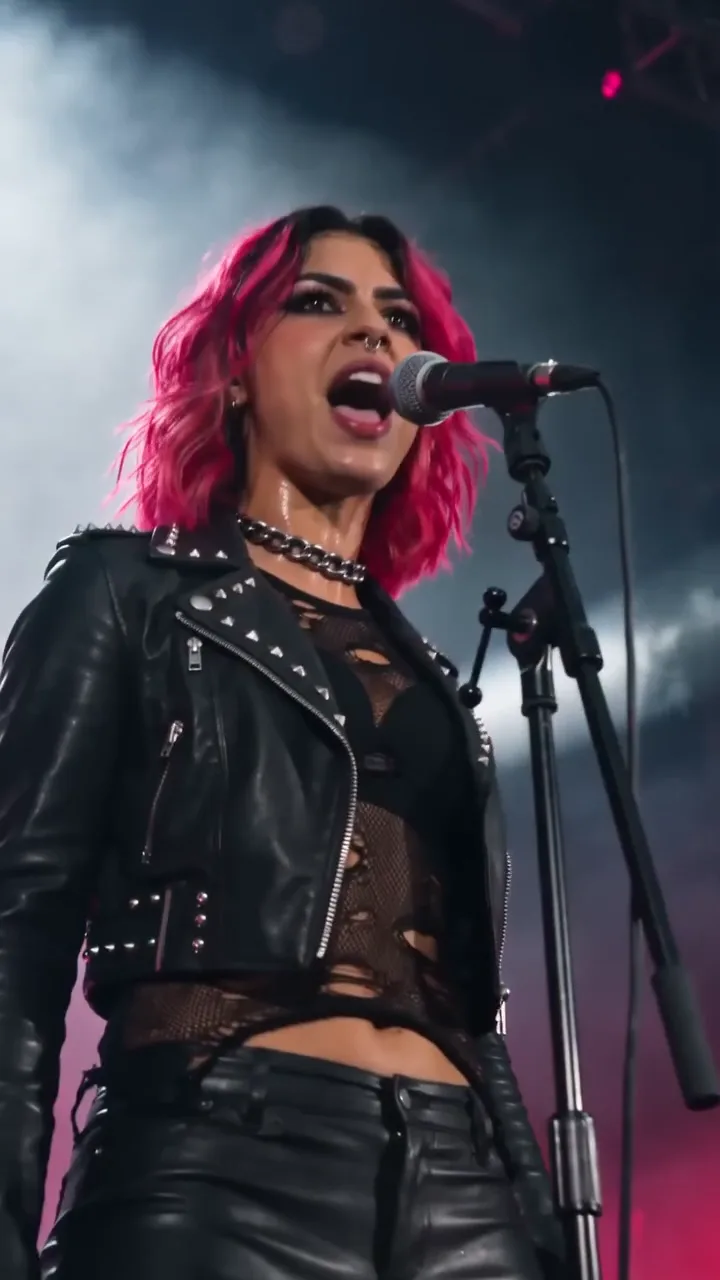
Live stage
On stage under the lights, the crowd a glow behind them.
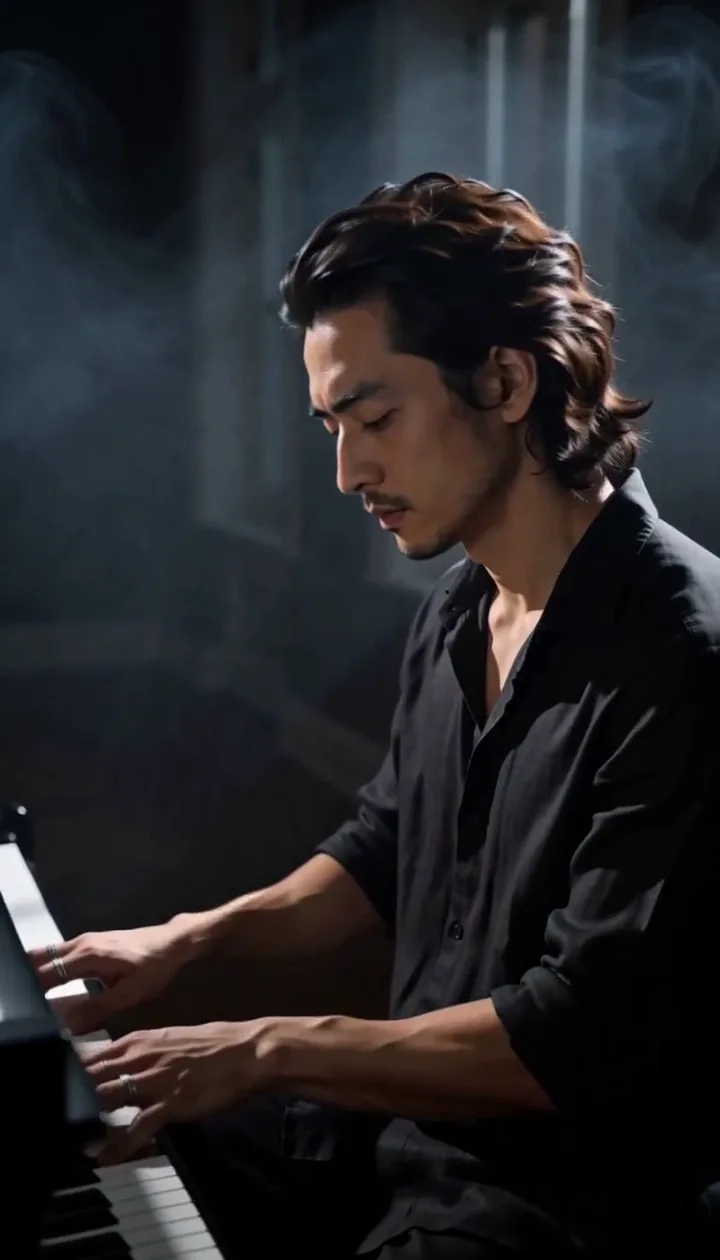
At the instrument
The performer plays and sings the song at their instrument: piano, guitar, decks or drums.
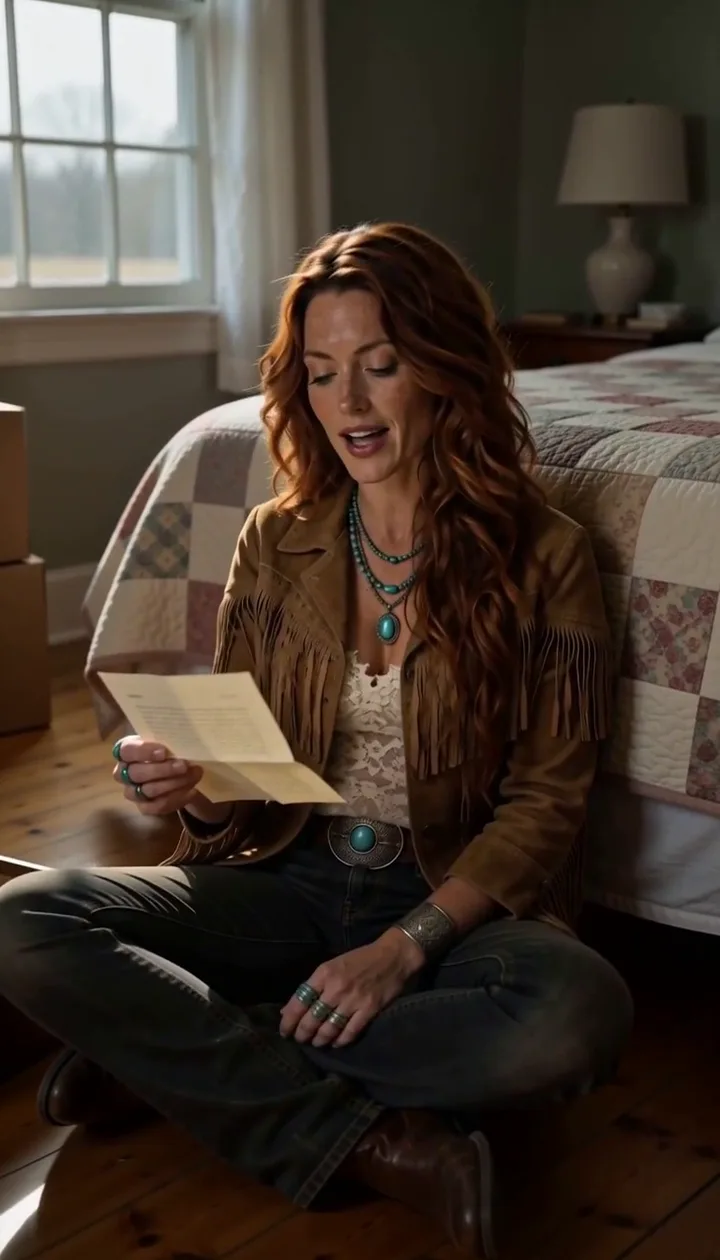
Lyric-led story
The performer lives the song’s story and sings its key lines to the lens from inside it.
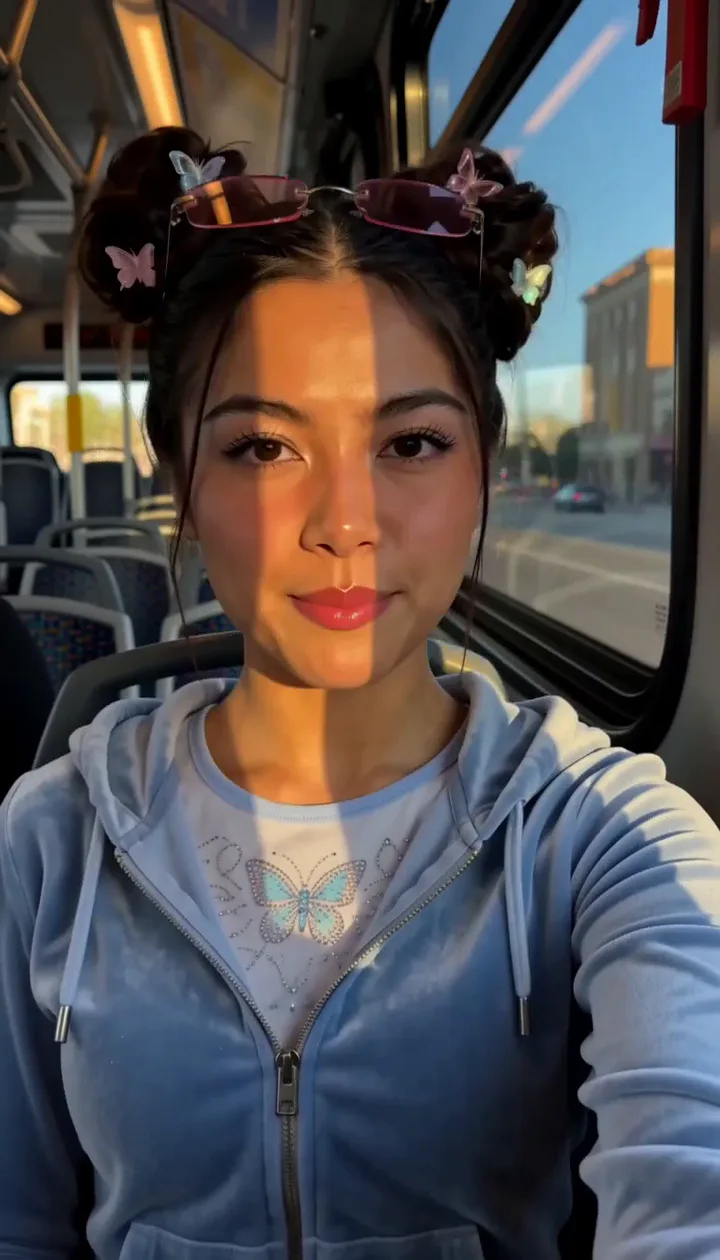
Phone diary
Their own footage of a day, a trip or a tour, the lines sung into the phone.
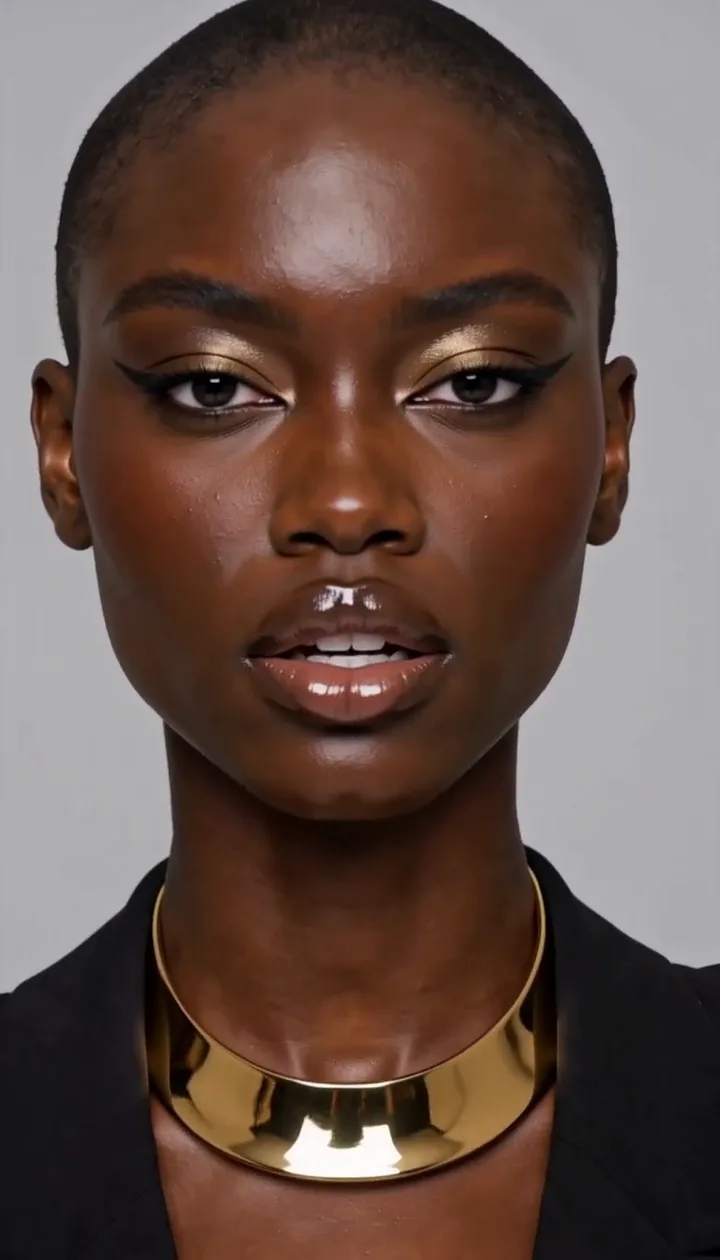
Fashion editorial
Poses, fabric and light, cut like a fashion film.
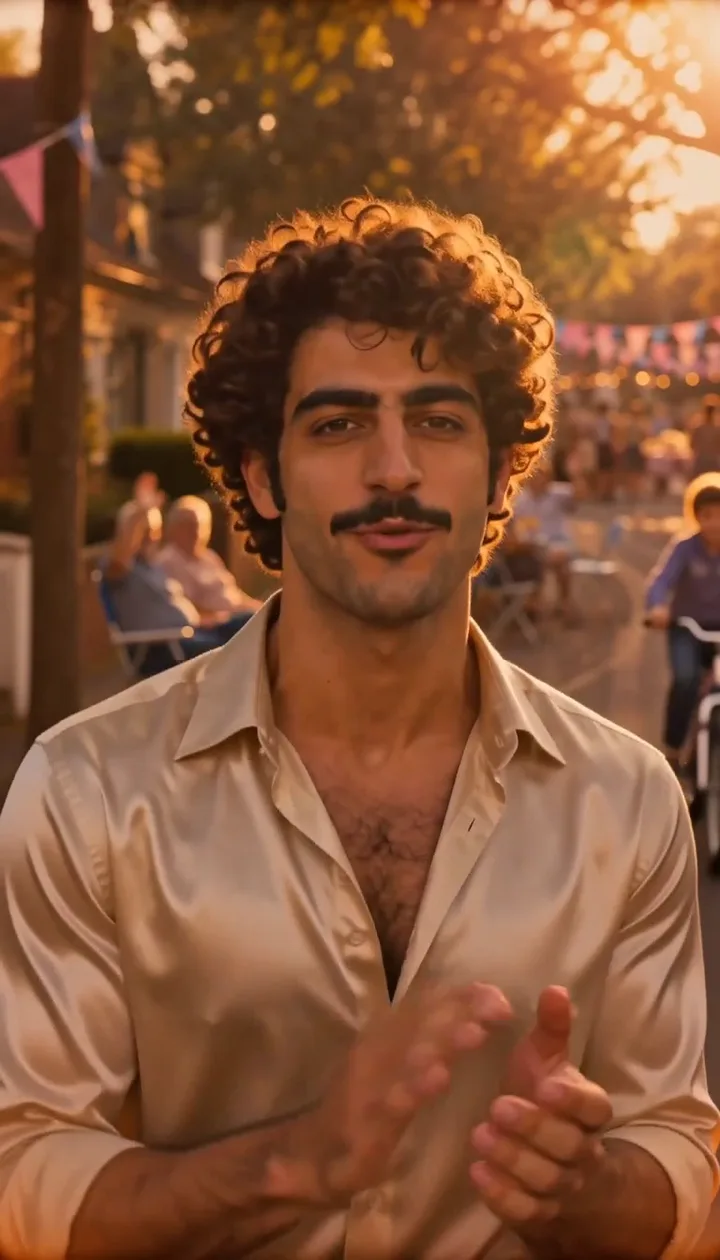
One take
One unbroken take with the performer from start to end, held still or travelling.
Story with a cast
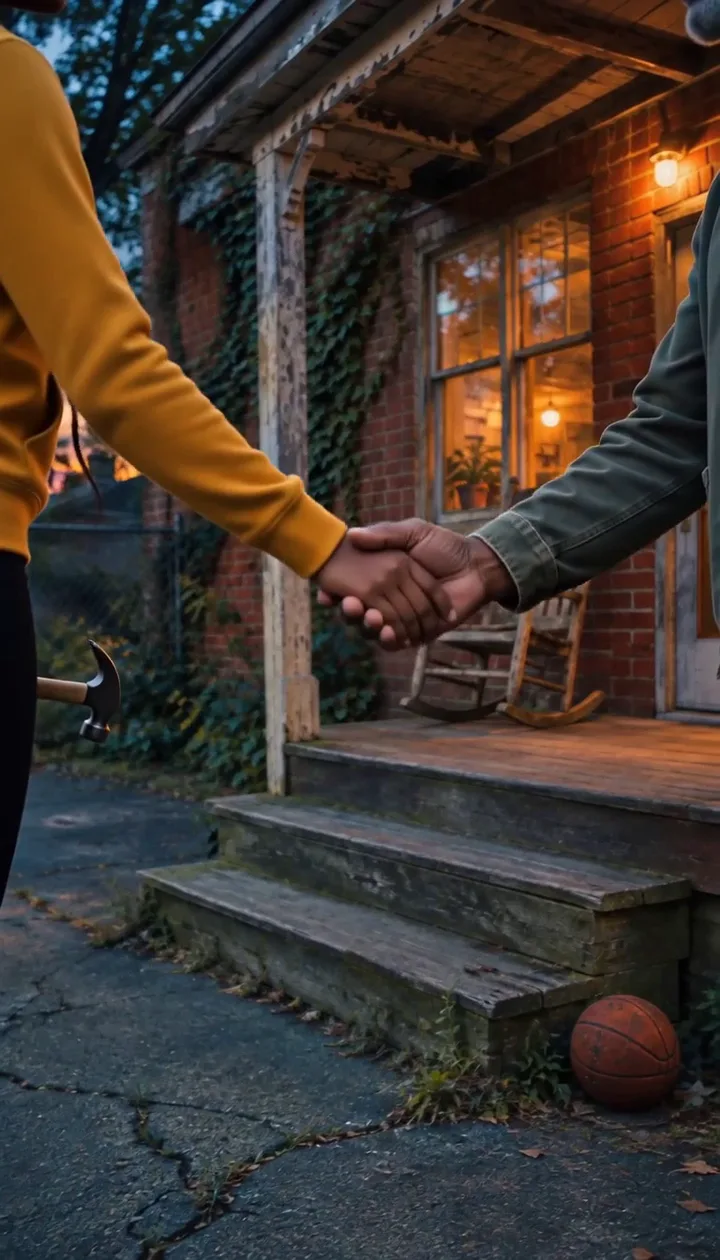
Other people live the song’s story; the performer doesn’t appear.

Mood
One material, its light and color moving with the music; no one on screen.

Places
A journey through places that suit the song; no one on screen.
Dance
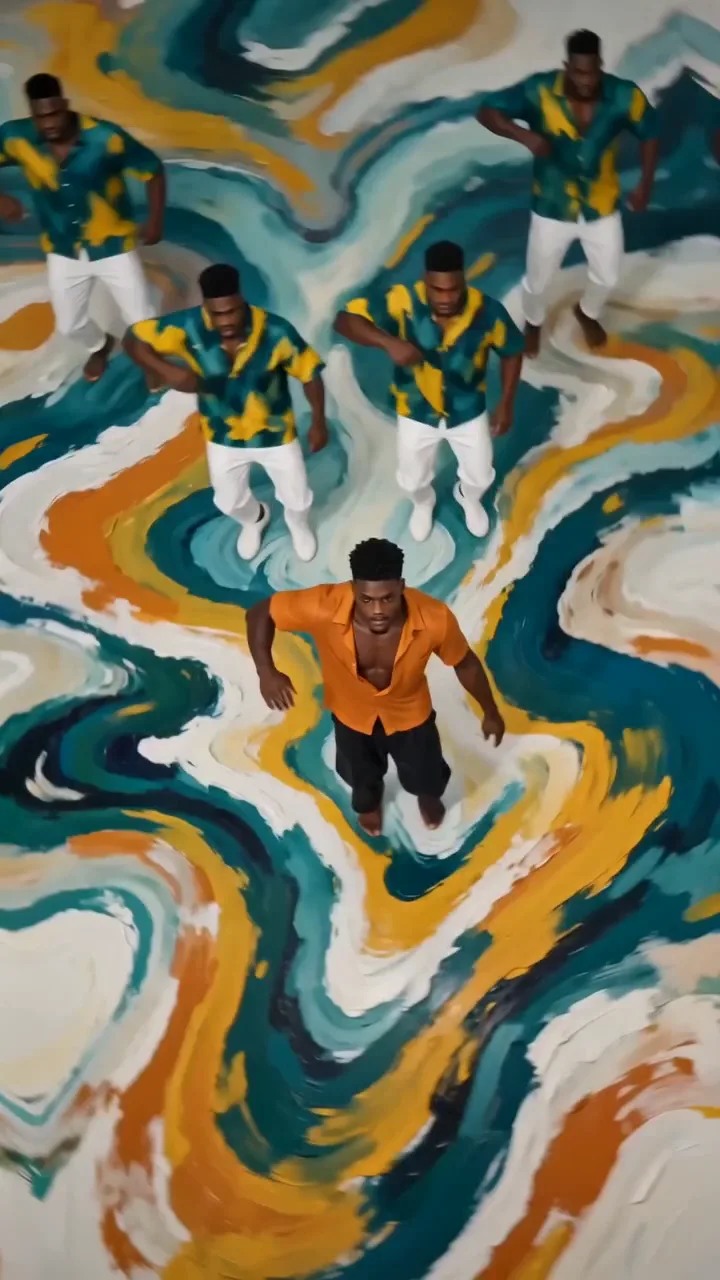
Choreography: the performer and dancers move with the song.
Band
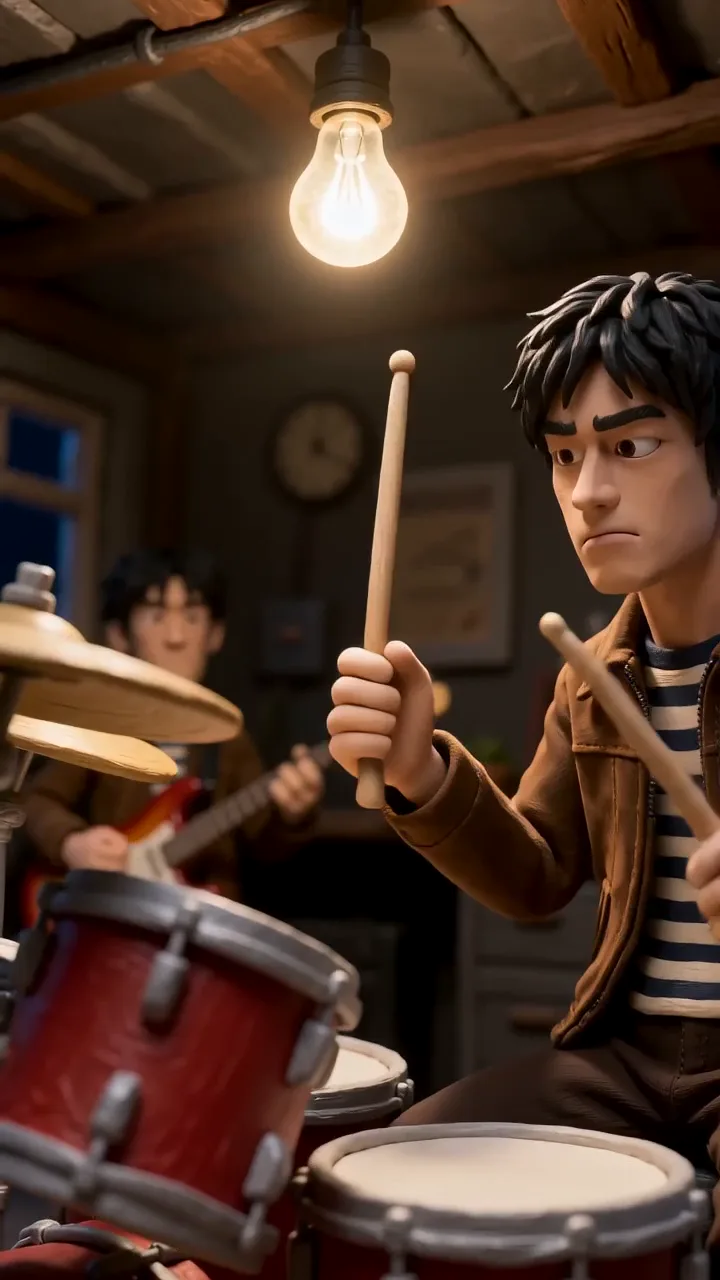
The whole band performs the song together.

Action
A chase toward one goal, cut fast to the song, the performer singing between.
Which one suits your song
A quiet, personal song wants to stay close to the singer. A performance in one place that matches the words (a kitchen at night, an empty car park, a bedroom) is the oldest idea in music videos because it works. If you'd rather not be on camera, a mood piece, one material and its light moving with the music, keeps the same intimacy.
A song that tells a story wants that story. Story puts the singer inside it, singing the lines as they live them. Performance & story cuts between the two, the classic shape of an official video. Story with a cast gives the story to other people and keeps the artist out of frame entirely.
A big chorus can carry a live stage (lights, a crowd glowing behind), a band performance, or a dance. These need energy in the song; on a ballad they feel forced.
A song about a time or a place suits places (a journey through somewhere that matches the song), a phone diary (a day or a trip filmed as if on your own phone), or a one take that follows the singer through one long unbroken move.
A song with a hook people play on repeat suits the short, punchy kinds: action, surreal, fashion editorial. They cut well into 15-second clips.
A song you wrote at the instrument wants you at it: at the instrument films the performer playing and singing at the piano, guitar, decks or drums; studio session puts them at the mic with the band around them.
Then pick a look
The kind is what happens. The look is how it's shot: the film stock, the light, the color. The same performance feels completely different on Super 8 than under neon.

Natural
Film

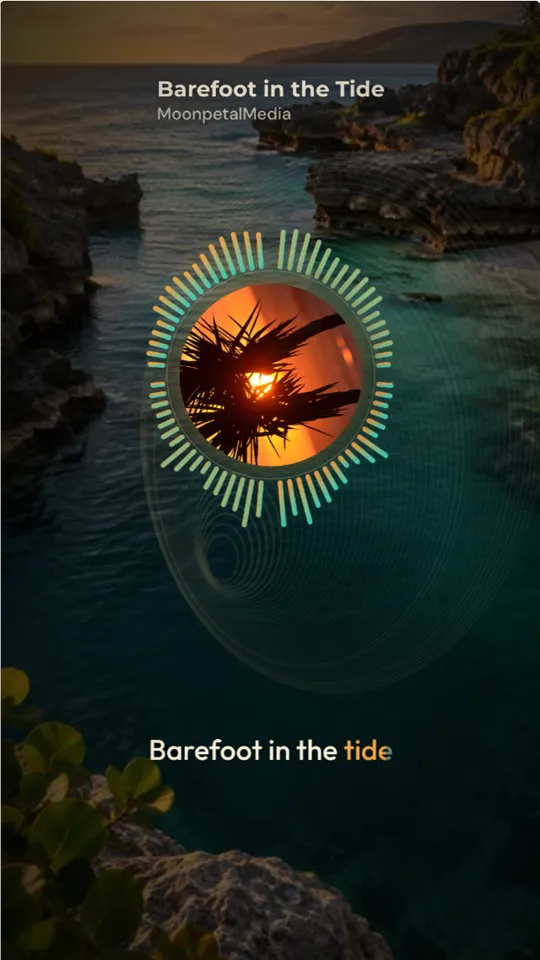
Golden hour

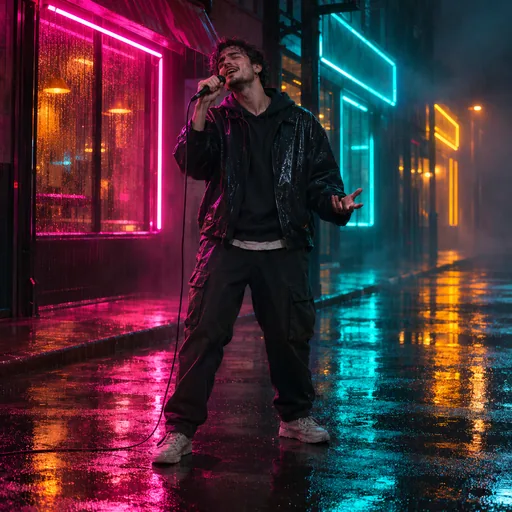
Neon night
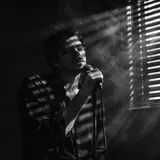
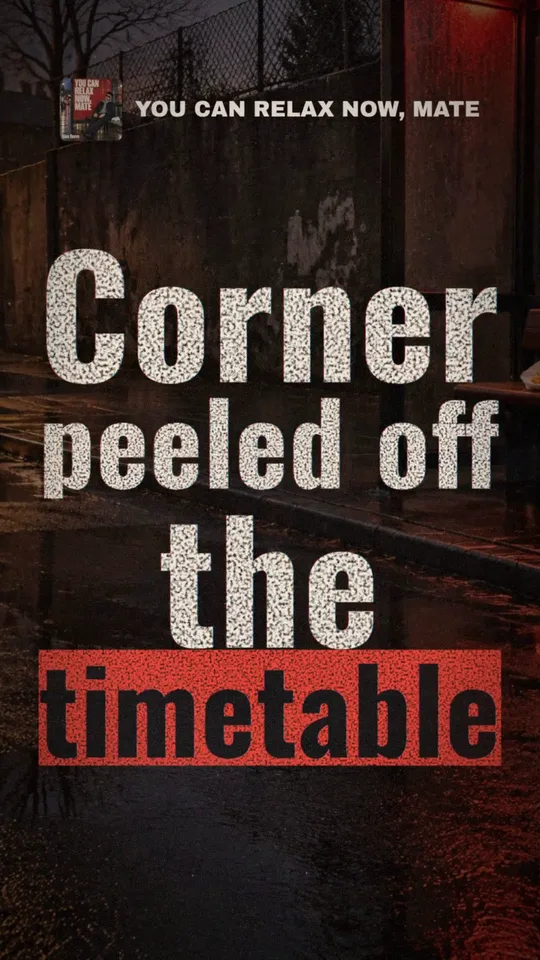
Noir
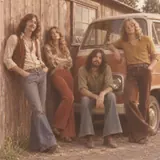
Vintage

Dreamy

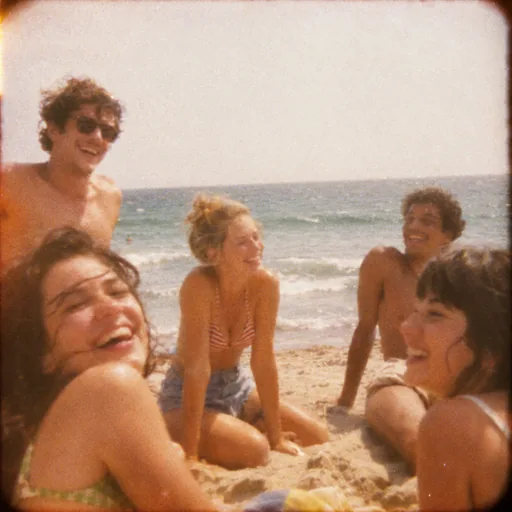
Super 8
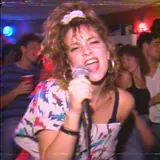
VHS
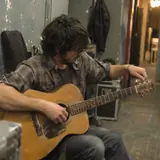
Documentary
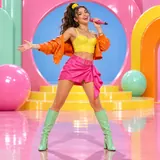
Glossy pop
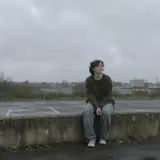
Indie

Cyberpunk
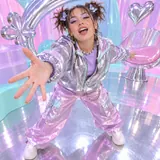
Y2K

Lo-fi bedroom

Painterly

Anime
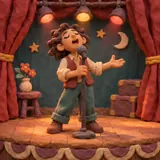
Clay
Pick the look from the song's era and mood, not the trend: lo-fi and VHS for songs that feel like a memory, golden hour and natural for warm acoustic songs, noir and neon night for late, dark ones, anime, clay or painterly when the song is a fantasy.
Keep it to one idea
The most common mistake in a first music video is three ideas at once: a story, a performance, a dance and a twist ending. Pick one kind and one look. Change the shots, not the idea. A three-minute song has room for one idea done well.
If the song has a turn (a bridge where everything changes), let the video turn there too: the light changes, the place opens up, the singer finally looks at the camera.
Keep it cheap
With a camera crew, every location, extra and lighting setup costs money, which is why low-budget videos stay in one room. With Kinetune, the price depends on the model, the length and the resolution, not on how many places are in it. Check the price before anything is filmed; right now it starts at 303 credits for a 15-second music video at 480p.
You also don't have to make the whole song. A 15 or 30-second music video of the chorus is a teaser for TikTok and Reels, and costs a fraction of the full song:
An AI music video
- 15 seconds · 480p303credits≈ $2.02
- 30 seconds · 480p576credits≈ $3.84
- 15 seconds · 768p467credits≈ $3.11
- 30 seconds · 768p903credits≈ $6.02
- 15 seconds · 1080p903credits≈ $6.02
- 30 seconds · 1080p1,776credits≈ $11.84
Dollar figures at Pro’s monthly price, 0.67¢ a credit. Yearly plans cost less.
See what others made
Every public music video concept made on Kinetune is in the Looks gallery, with the brief that made it. When you find one you like, start from it with your own song.
Not sure a music video is the right first step? Lyric video, visualizer or music video compares the three.