Lyric video, visualizer or music video?
A visualizer, a lyric video and a music video do different jobs for a release. What each one is, what it's good for, and which to make first on your budget.
Updated
Three kinds of video come up for every release, and they get mixed up. They're not better or worse versions of one thing: each does a different job. Here's what each one is, what it's for, and how to choose.
The three, in one table
| Visualizer | Lyric video | Music video | |
|---|---|---|---|
| What's on screen | A picture moving with the sound | The words, as they're sung | The artist, a story, a world |
| Best at | Something to watch while it plays | Teaching people the song | Showing who the artist is |
| Works for | Instrumentals, DJ sets, background listening | Every song with words | The song you're pushing hardest |
| Clips for social | Weak | Strong (the hook, with words) | Strongest (a performance) |
| Cost | Lowest | Low | Highest |
And the baseline you get for free: your distributor's delivery gives you an Art Track on YouTube, the cover with the audio. Anything you make is on top of that.
The visualizer
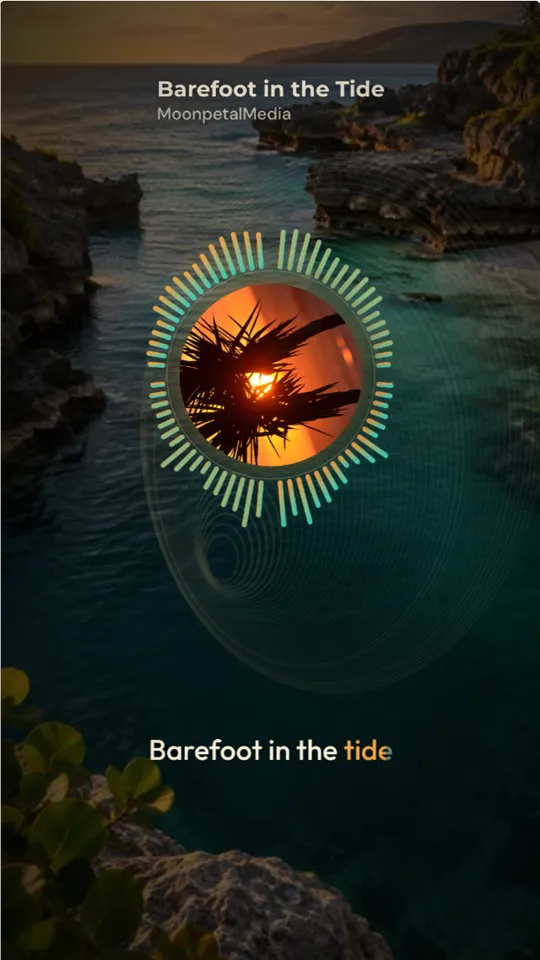
A visualizer is a picture that moves with the sound: bars, a waveform, a ring that pulses, a loop that breathes with the beat. It's what you put on YouTube when you want something to watch without asking anyone to read or follow a story.
Make one for instrumentals, electronic tracks, long mixes, and songs people play in the background. Don't make one instead of a lyric video for a song people sing along to: it gives them nothing to hold onto.
On Kinetune, Visualizer is a lyric style: the picture moves with the music, and the words still come in on time. The frame at the top of this page is one.
The lyric video
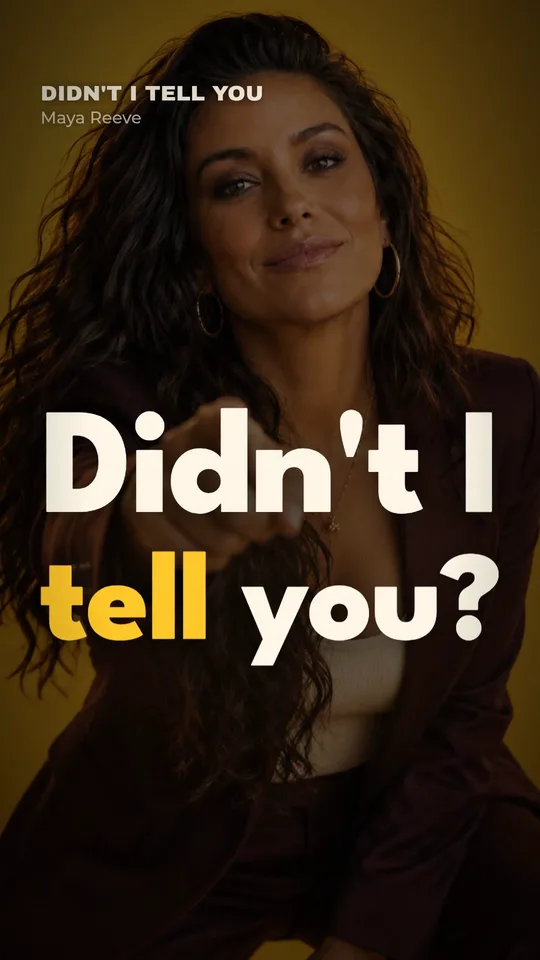
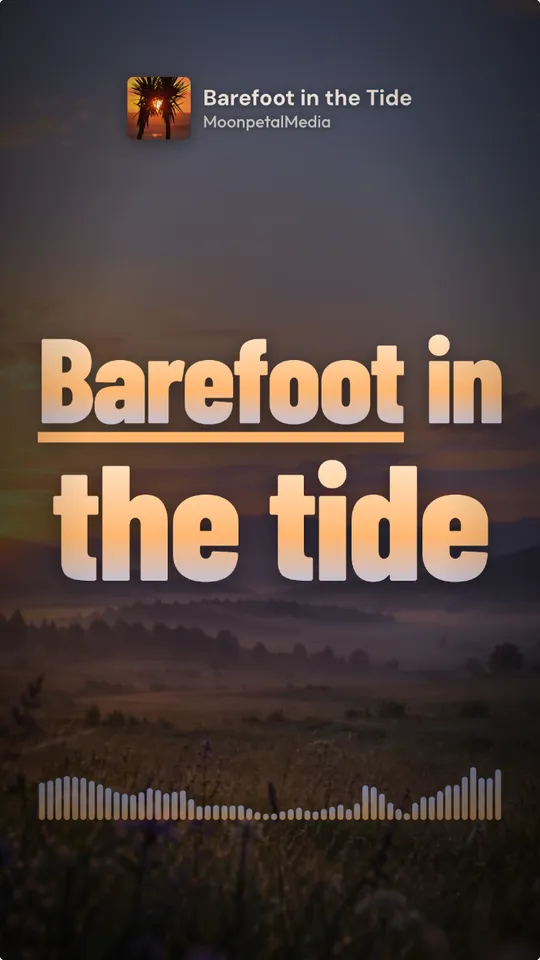
A lyric video puts the words on screen as they're sung. Its job is simple: let someone sing along the first time they hear it. That's why lyric videos get searched for, shared and replayed, and why the hook from a lyric video makes the best TikTok and Reels teaser: people learn the line.
Make one for every single with words. It's the most useful video per dollar. How to make a lyric video covers the timing and the formats, and kinetic typography the styles where the words do all the moving.

The music video
A music video shows the artist performing the song, living its story, or a world that belongs to it. It's the release's big moment on YouTube, and it's the best source of short clips for weeks afterwards: a performance clip says more about an artist in five seconds than any amount of text.
It used to be the one you couldn't afford. It's still the most expensive of the three, but it no longer needs a crew: an AI music video films the artist's character singing your track, lip-synced to the vocal, from photos. Music video ideas helps you pick a kind that fits the song.
Which first?
- One song, small budget: a lyric video, cut into vertical clips of the hook.
- A focus single: a lyric video on release day and a music video for the release, or the week after to give the song a second push.
- Instrumental or DJ track: a visualizer, and a Canvas for Spotify.
- AI music project with no singer to film: a lyric video, and a music video of the mood, places or story-with-a-cast kind, which don't show the artist.
Whichever you make, add a Spotify Canvas: it's free to add and plays every time someone listens on their phone.
What they cost on Kinetune
All three come from the same upload, and each shows its exact price before anything is made. Right now a lyric video of a 2:47 song costs:
A lyric video of a 2:47 song, one format
- A Look you already have45credits≈ 30¢
- A new Look, AI image75credits≈ 50¢
Dollar figures at Pro’s monthly price, 0.67¢ a credit. Yearly plans cost less.
And a music video starts at 303 credits for a 15-second music video at 480p:
An AI music video
- 15 seconds · 480p303credits≈ $2.02
- 30 seconds · 480p576credits≈ $3.84
- 15 seconds · 768p467credits≈ $3.11
- 30 seconds · 768p903credits≈ $6.02
- 15 seconds · 1080p903credits≈ $6.02
- 30 seconds · 1080p1,776credits≈ $11.84
Dollar figures at Pro’s monthly price, 0.67¢ a credit. Yearly plans cost less.
Sources
- YouTube Help: Art Tracks, checked